The Bluetti FridgePower is an interesting new slimline 2 kWh power station designed for one very specific job: keeping your fridge running during a power cut. But it’s actually a lot more versatile than that.
In this review, I’ll see just how good it is at its main job, but I’ll also run through all its capabilities and some of the other ways you might want to use it.
Overview
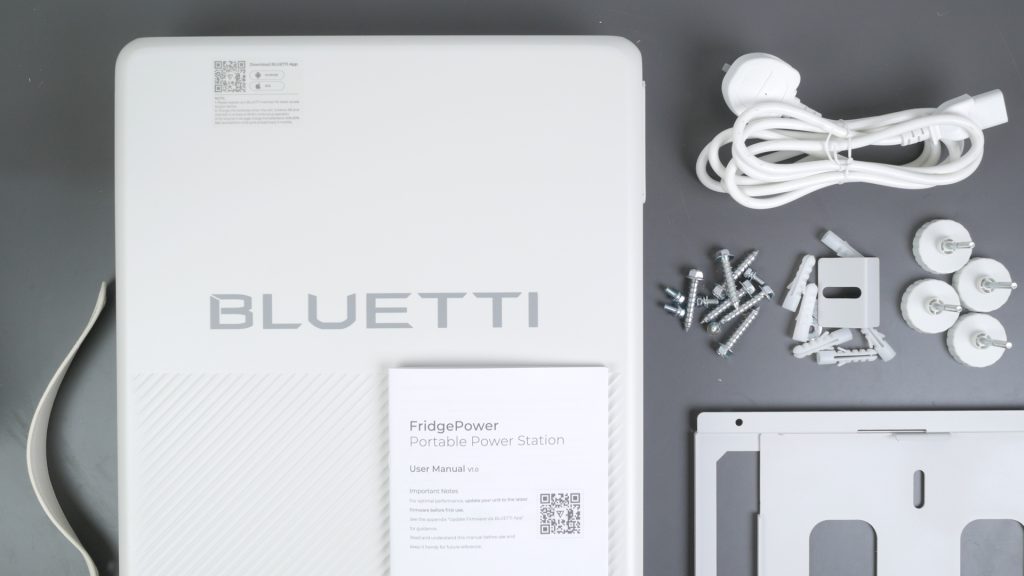
In the box with the power station, you get a standard AC charging cable, mounting brackets with mounting hardware, a handle strap, some levelling feet and the user manual.
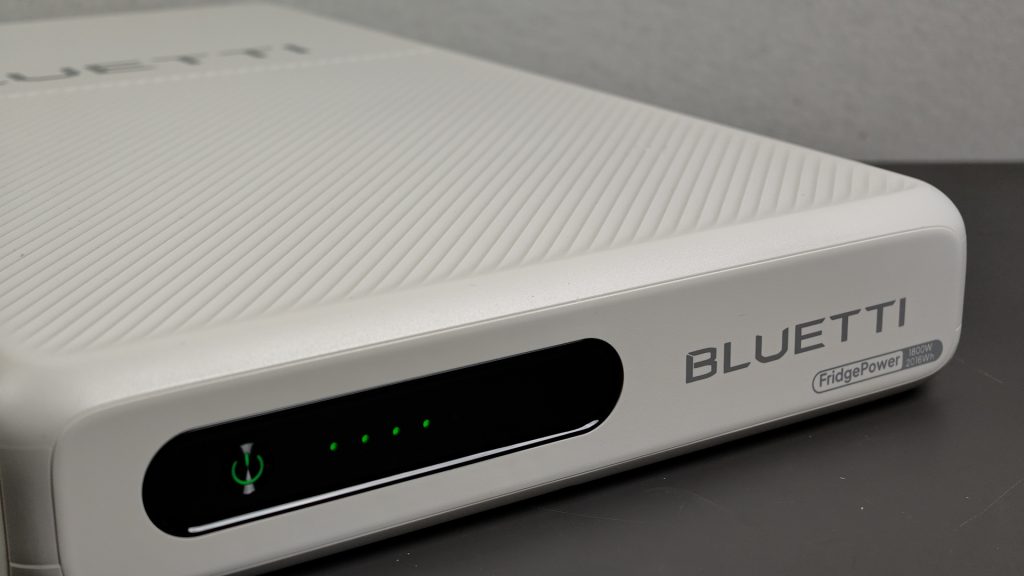
The first obvious thing to note is the shape and size. It’s like no other power station I’ve tested. Its footprint is fairly large at 580 x 350 mm, but it’s just 78 mm thick, designed to fit in the space above your fridge — we’ll come back to that. It’s also the lightest 2 kWh power station I’ve tested at under 20 kg — 19.7 kg to be precise.
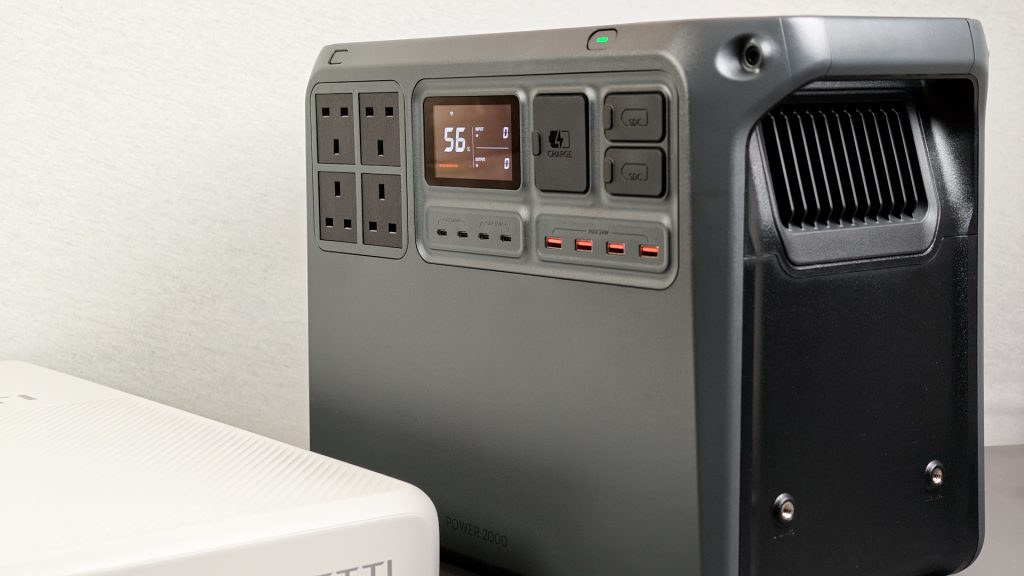
At just under 16 litres, it takes up less than half the volume of the 2 kWh DJI Power 2000. And with its handle strap, it’s easy to move around.
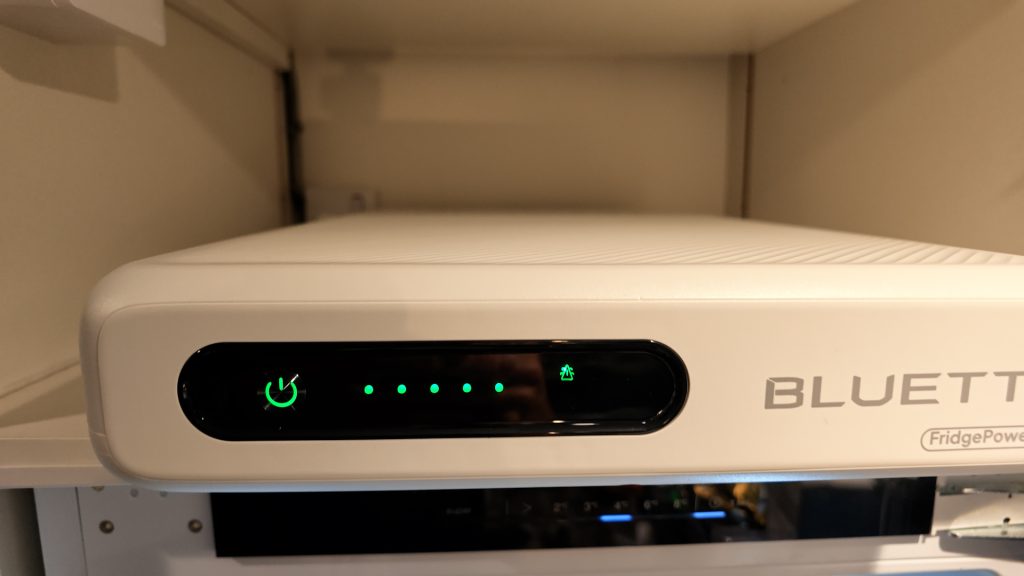
Setup with your fridge is super easy — the hardest part is deciding where to put it. If there’s room, you can slide out your fridge and place it on top. Otherwise, you might have to be more creative. In my kitchen, there’s a cupboard above my full-height fridge, but it doesn’t quite fit. If I was going for a permanent installation, I’d probably install it behind the plinth with its long side against the wall, but that’s not straightforward either with the central cabinet feet.
You can use the mounting bracket to install it vertically on the wall, but that would be tricky in my kitchen. Purely for testing purposes, I placed it in the cupboard above the fridge with the door open. You simply unplug your fridge, plug the FridgePower into that socket and plug the fridge into one of the two AC ports. That’s setup complete.
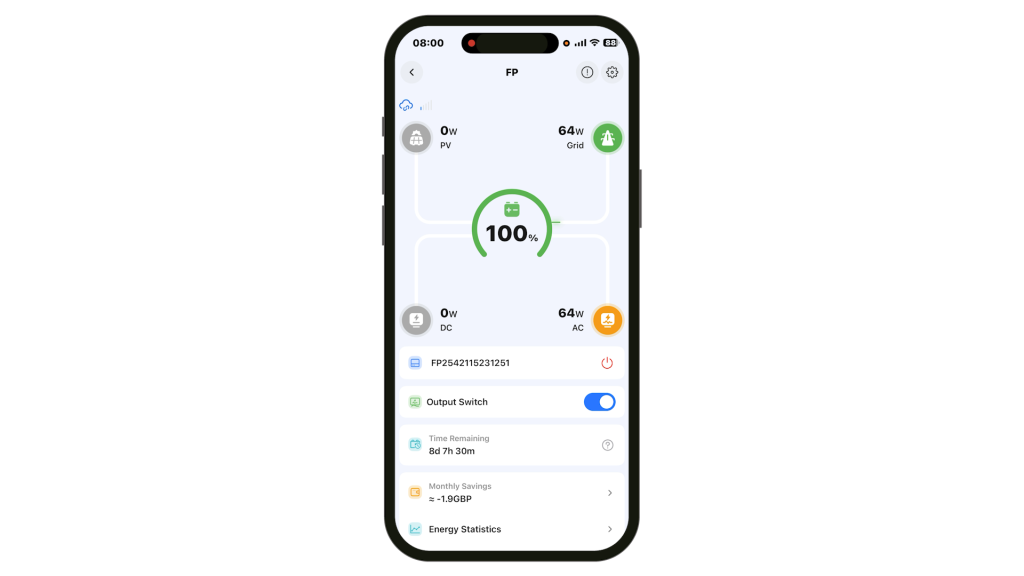
The FridgePower runs as an uninterruptible power supply, or UPS. When there’s AC power, the fridge will effectively bypass the FridgePower and run off the mains, but when there’s a power cut, the fridge will switch across to the FridgePower in less than 10 ms according to Blueti.
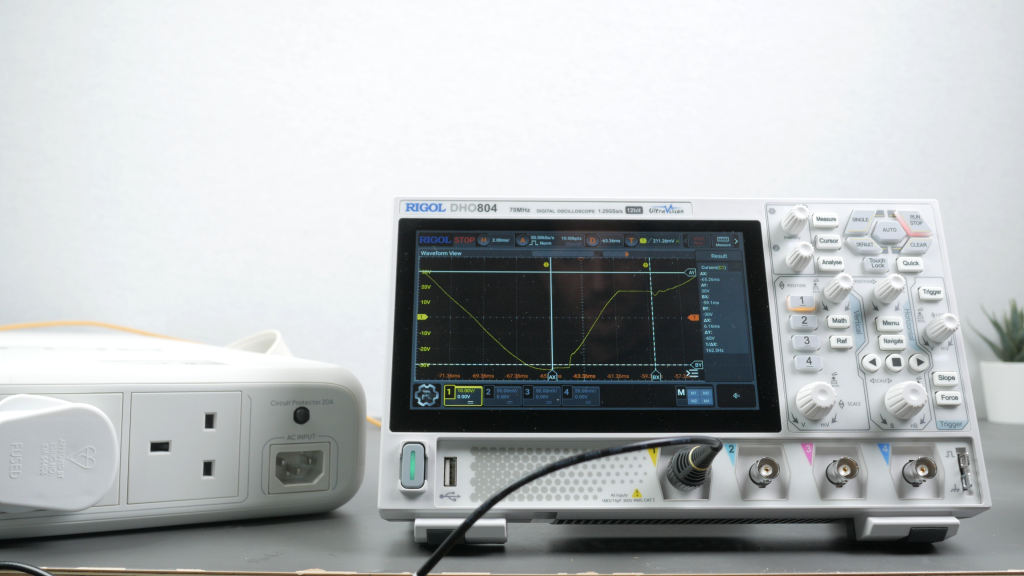
I checked this with my oscilloscope and measured a very impressive 6.2 ms, which is the best result I’ve seen from any power station.
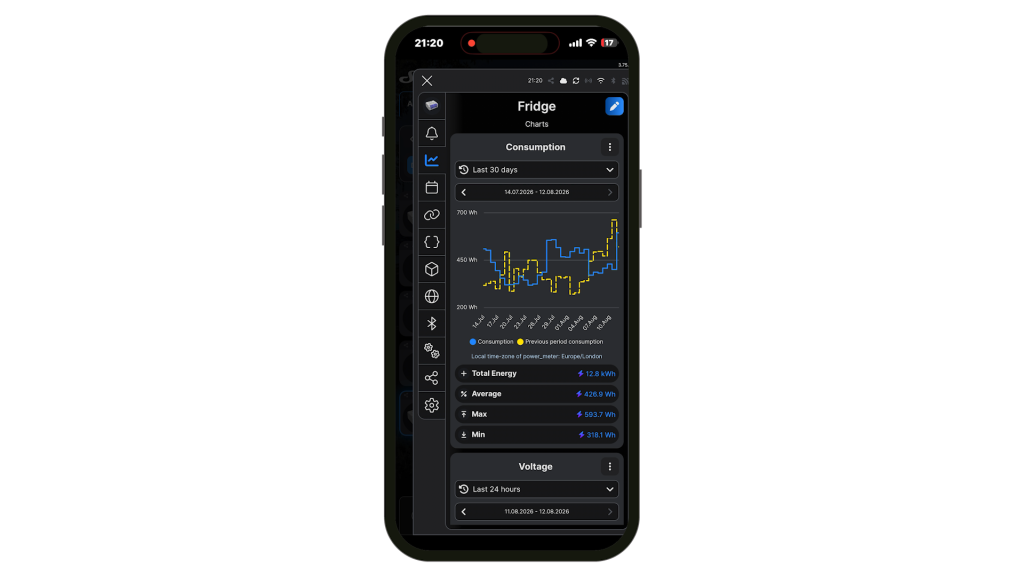
It’s a big battery, and efficient fridges like this don’t use very much power. I monitor mine continuously with a Shelly power meter, and over the last 30 days it’s used an average of only 427 Wh per day. I’ll be measuring the usable capacity of the power station shortly, so I’ll be able to work out roughly how long I could run this fridge for.
In a power cut, you can also use the additional port to power other devices. The AC outlet nearest the mains port is very close, so bulky plugs might not fit with the charging cable connected.
There’s a fairly modest inverter by usual 2 kWh power station standards, but 1800 W is still enough for many things.
You could run a multi-gang extension lead from this port and easily run your TV and your internet equipment, but I’ll test a few higher-powered items shortly.
When power comes back on again, the FridgePower will revert to UPS mode and charge itself up again.
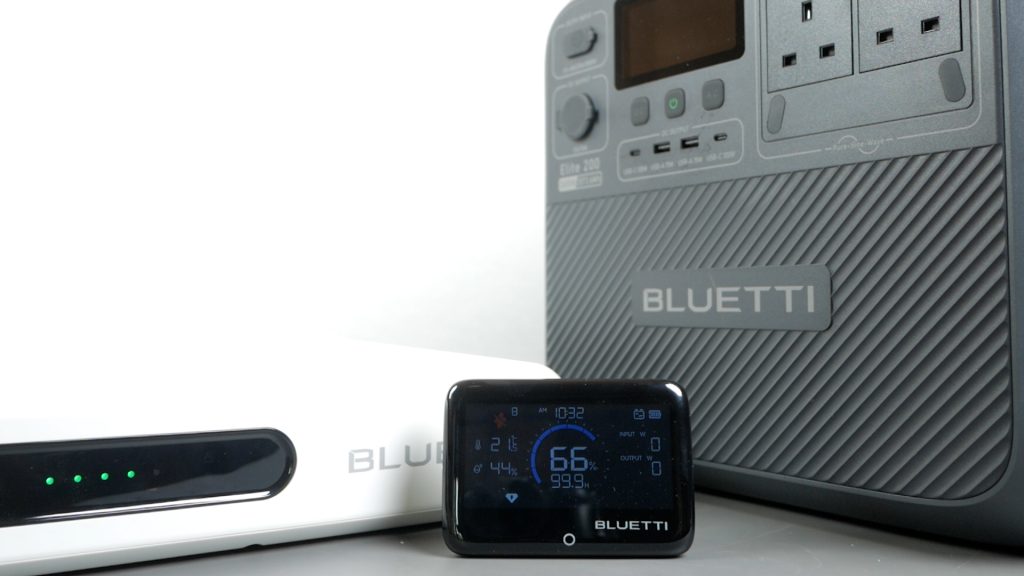
The FridgePower doesn’t have a display like most portable power stations, but shows the battery level with its LEDs. For more details and to adjust settings, you can use the capable Bluetti app. Bluetti also has an optional wireless magnetic display which works with the FridgePower as well as Bluetti’s Elite and Apex power stations. My fridge is integrated, so I can’t stick it on the door, but it also has a kickstand. You can’t change settings with the display unfortunately, but it shows most of the information available in the app and, as a bonus, it has a temperature and humidity sensor. You can press and hold the touch power button to reset the display and connect it to, in my case here, the Elite 200 V2. The battery life is not very good though, so you really need it plugged in, and I found the display also a little dim.
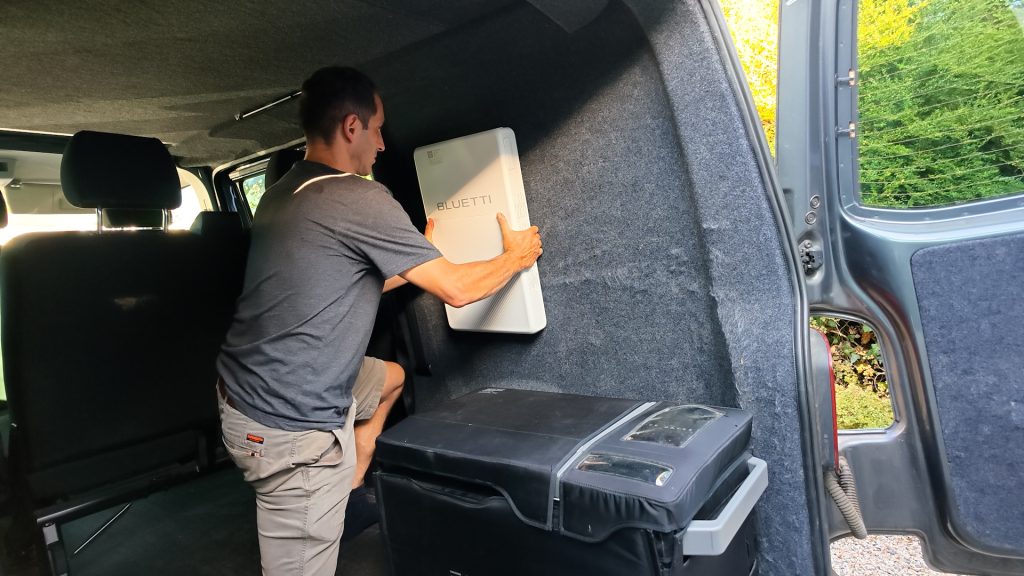
So the FridgePower works fine for fridge backup, if you can find a place to put it. But I feel its slim design also lends itself very well to installation in a campervan or any restricted space. Mounted on the side of the van, it takes up very little space for a pretty hefty battery.
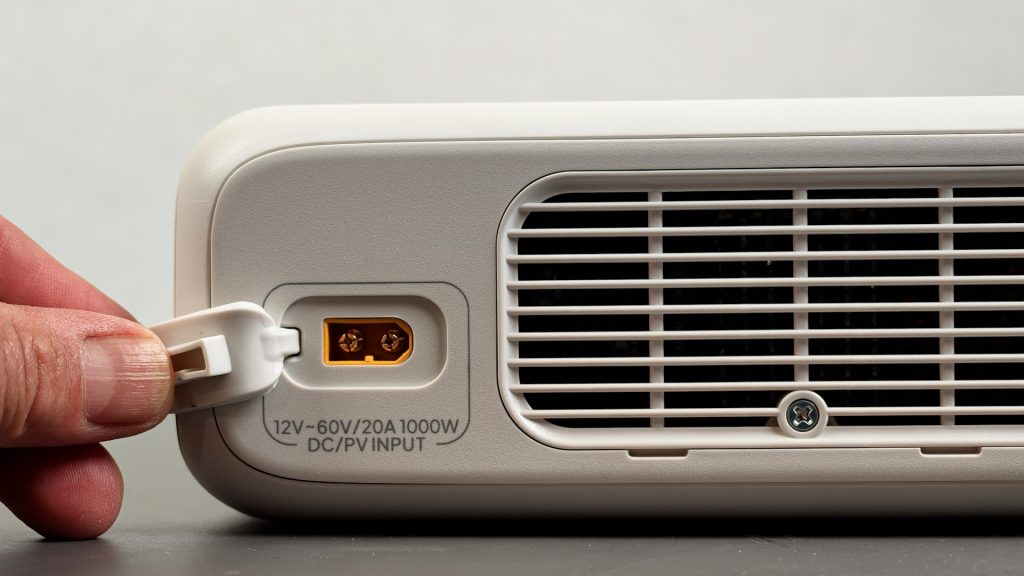
The unit is lacking any DC outputs — there’s not even a USB port on the main unit — but there is a DC input which you could use with a 12 V car outlet, an alternator charger or solar panels.
Performance
I ran through most of my usual tests and measurements on the FridgePower to see if it lived up to its marketing claims and to check exactly what it’s capable of running.
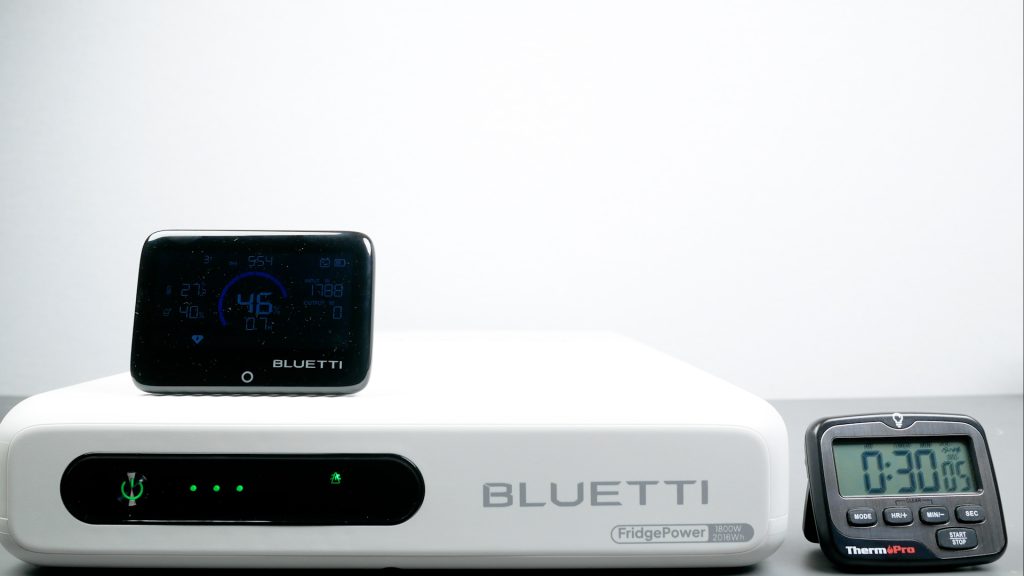
First up, charging. I charged it from completely empty in Turbo mode, which charges at up to 1800 W. It reached 80% charge in just over an hour, and 100% in 1 hour 27 minutes. You can hear the fans in Turbo mode and, to a lesser extent, in Standard 1000 W charging mode, but it’s very quiet in Silent mode. I’ll measure maximum noise levels whilst discharging shortly.
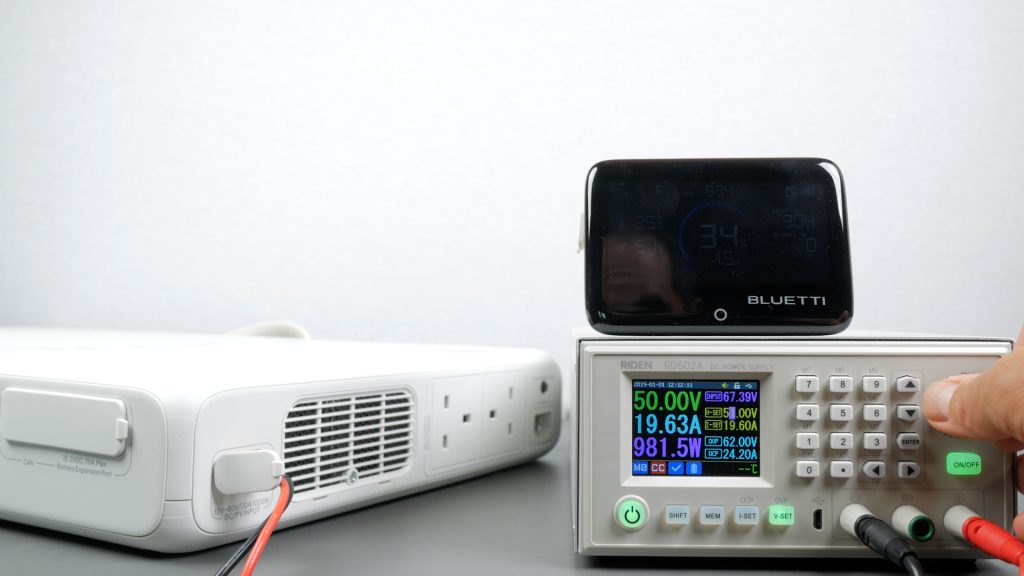
I tested DC charging with my bench power supply. The single XT60 input supports 12–60 V at up to 20 A. Car charging at around 13.5 V, which is typical from a 12 V outlet, gave me 108 W. If your car has a 24 V outlet, you’ll get just over 220 W. At 30 V and below you’re limited to 8 A, but as soon as you go over 30 V you can charge at the full 20 A. You’ll get the full 1000 W input at around 50 V. So you could charge from a 48 V battery, for example, pretty quickly.

For a real-world test, I connected the two 200 W solar panels on my home office roof, which are connected in parallel.
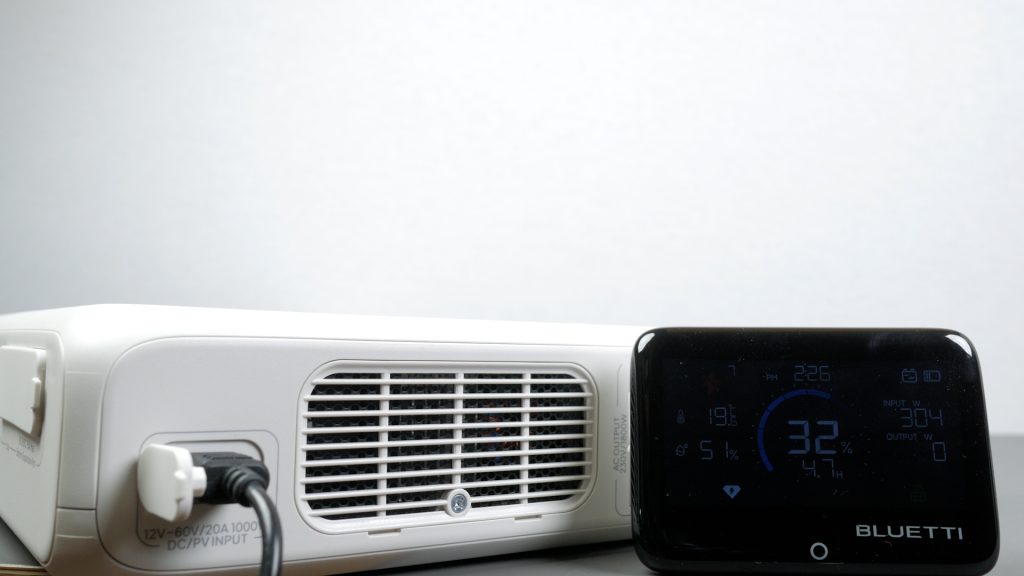
On a sunny summer’s day with a few clouds, I got around 300 W.
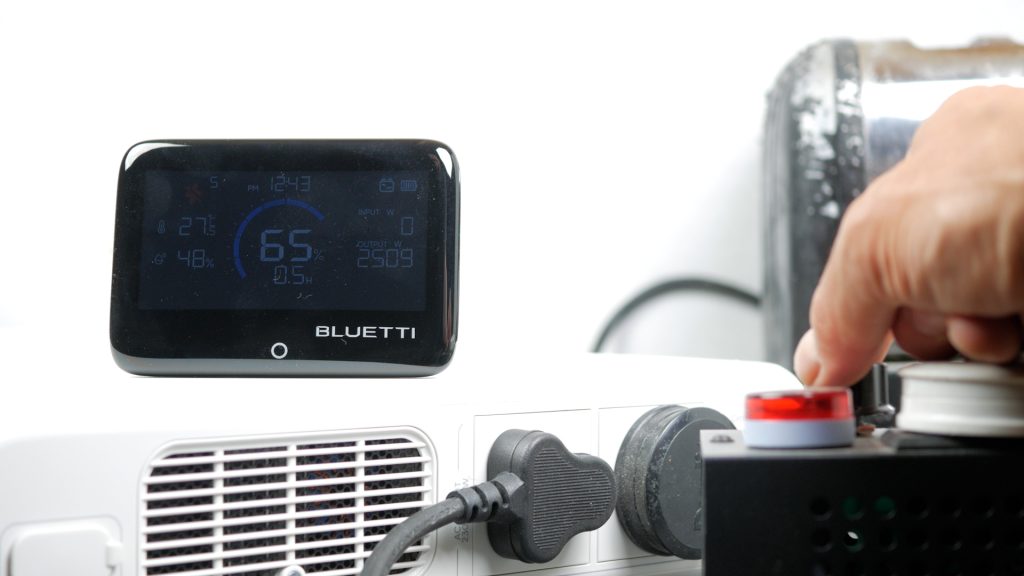
The two pure sine wave AC outlets are rated at 1800 W. I tested this to its limits and overloaded the power station at just over 2500 W.
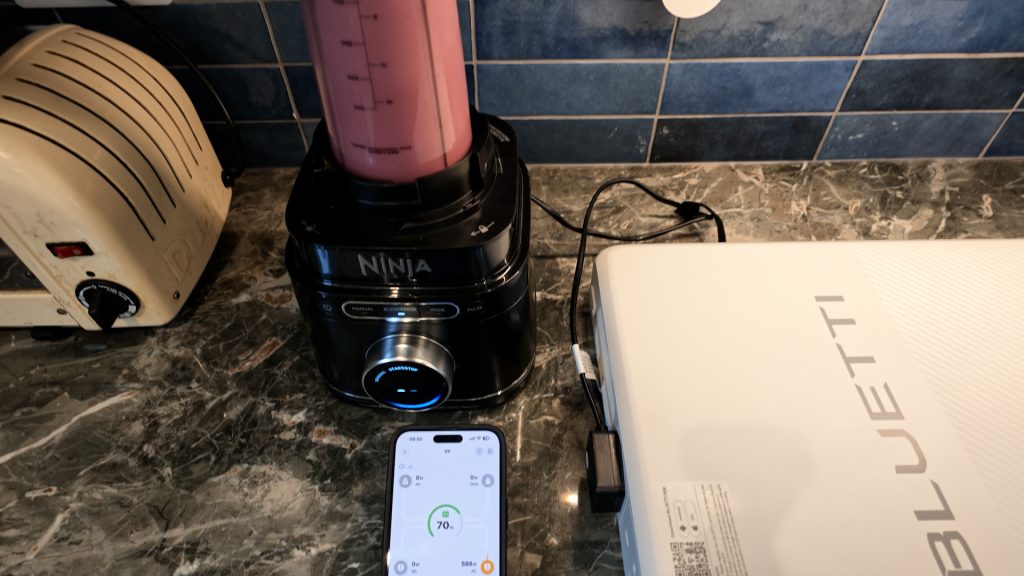
In my kitchen, it could easily run my 800 W blender and could run a 2200 W toaster for a few minutes before overloading. It couldn’t run my 3000 W kettle, unsurprisingly, but there is Power Lifting mode you can enable, which lowers the voltage to run higher-demand resistive loads. This did ran the kettle, but the voltage dropped lower than necessary and only ran the kettle at 1.3 kW.
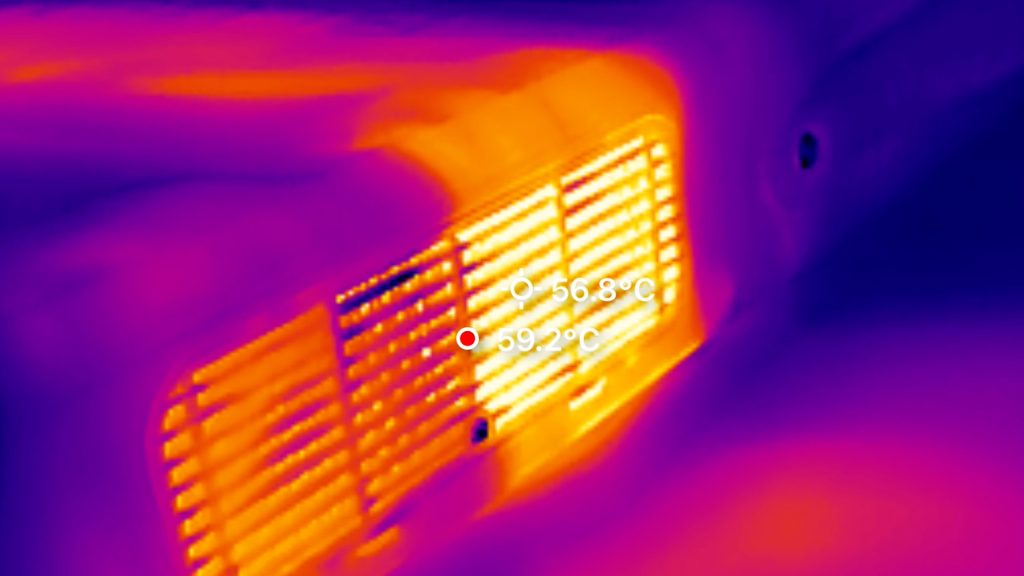
I ran the power station at its maximum continuous load of 1800 W for 20 minutes, which it managed just fine. I checked thermals and noise levels at 20 minutes. I measured just under 58°C at the exhaust vent, which is pretty warm, but noise levels still weren’t too bad.
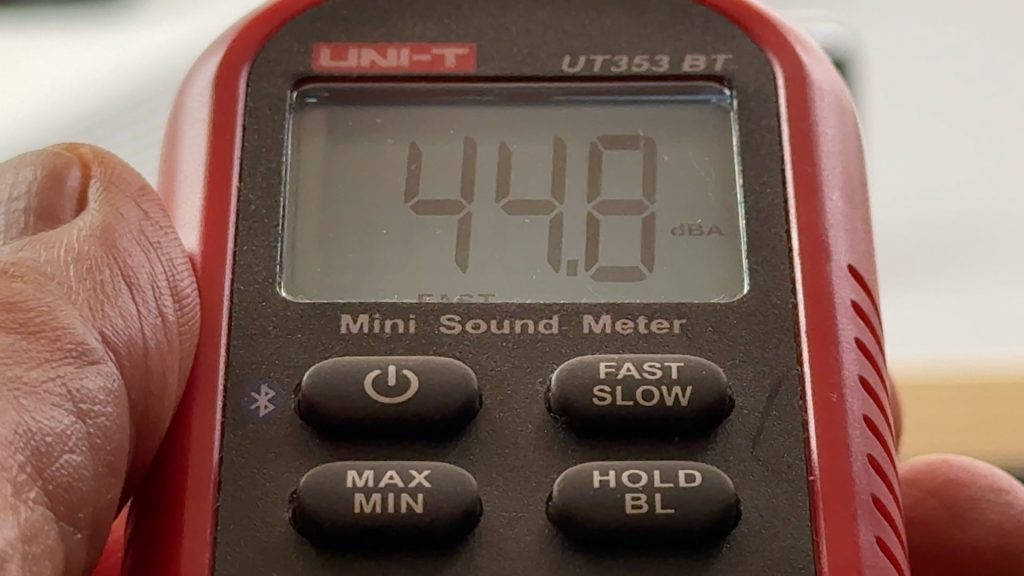
I measured just under 45 dB with my sound level meter one metre away. With more typical loads, you can barely hear it.
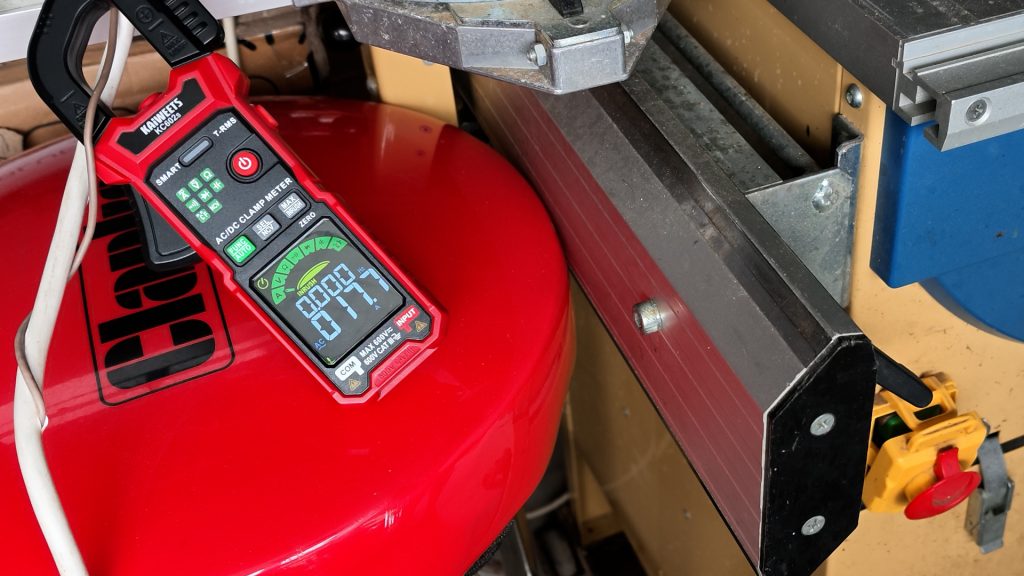
In my garage, I tested its peak power capability with machines that have a high startup draw. Bluetti rates the FridgePower at 3600 W peak. Unfortunately, this was too low to run my bandsaw or table saw. Measuring the inrush current for both, it maxed out at around 17 A, which at 230 V is over 3900 W. It could run my vacuum cleaner , which peaked at 9 A, or just over 2000 W, at startup.
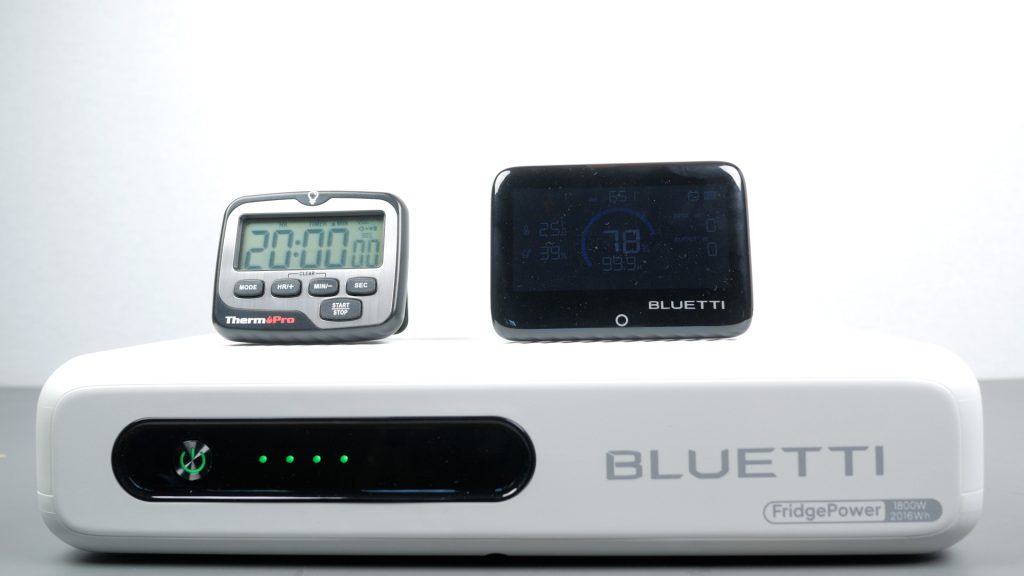
Bluetti quotes the idle draw at just 4 W. That’s the FridgePower’s own consumption with the AC output turned on but nothing actually drawing power. And that’s particularly important here because the AC output is obviously designed to stay on. I measured the idle consumption by leaving the FridgePower on for 20 hours with AC on and no load. The battery level dropped from 90%, which is the default maximum State of Charge (SoC), to 78%. Based on the indicated battery level in the app, that equates to an average idle draw of around 12.1 W — way more than Bluetti claims, but still a very good result.
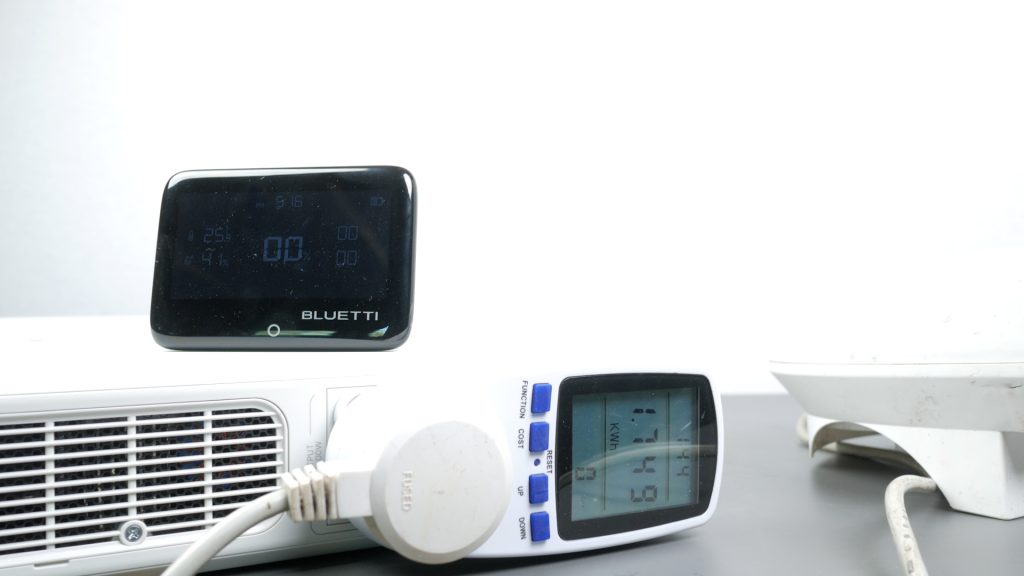
Next, I measured the usable capacity of the power station. I changed the default 90% maximum state of charge to 100%, charged it to 100% and ran a 1000 W electric heater plugged into an energy monitoring plug until it shut off. It ran for 1 hour 44 minutes and delivered 1749 Wh — that’s a 87% efficiency, which is a good result. So coming back to my fridge, which consumes an average of 427 Wh per day, on usable capacity alone that’s theoretically enough to run it for just over four days.
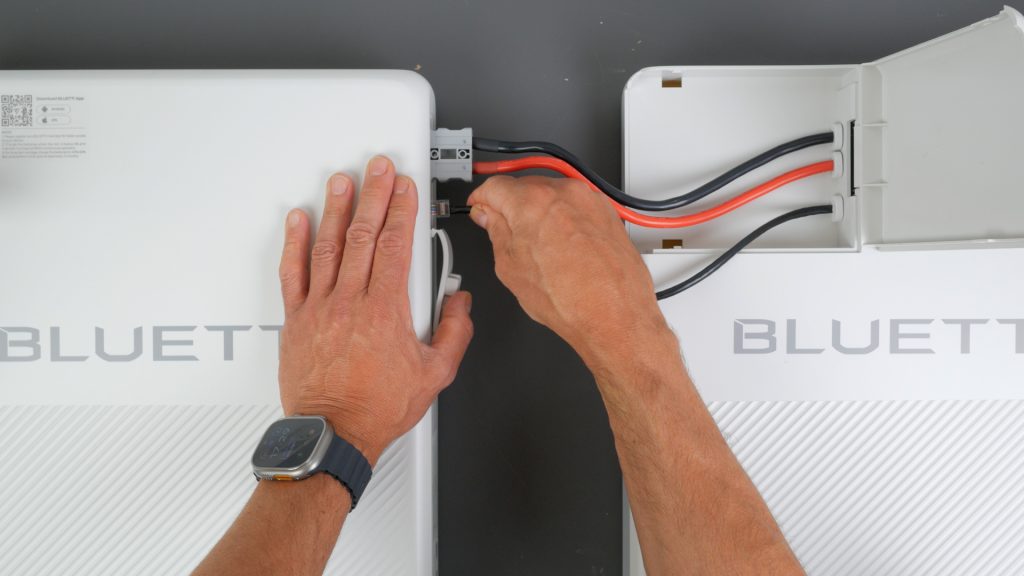
And if you want more capacity, you can add up to three of these BlueCell 200 expansion batteries for a total of 8064 Wh. These batteries also come with the same mounting accessories and have integrated cables that connect to the expansion port. The cables are too short to stack the batteries, so they need to be used side by side.
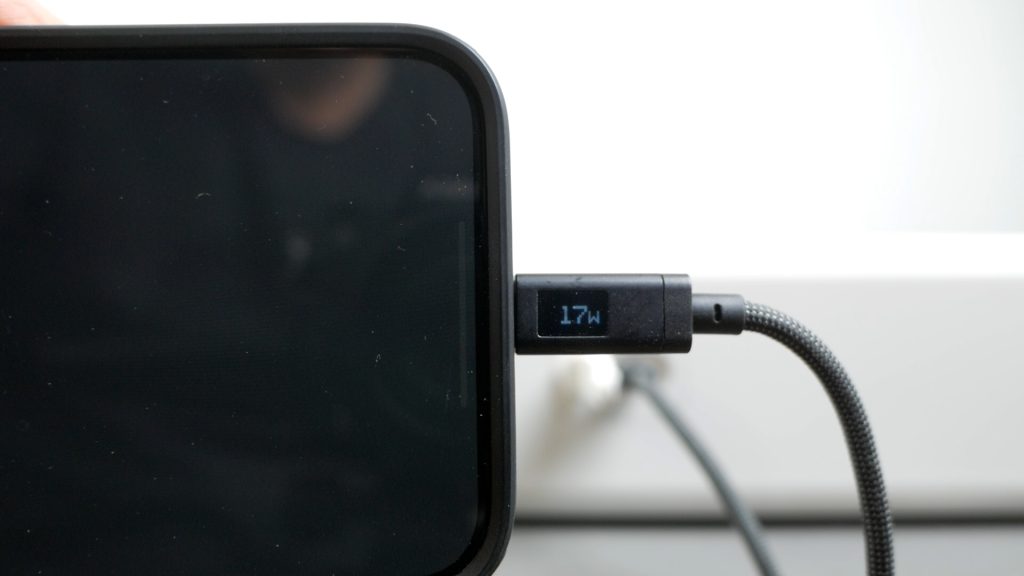
Interestingly, the expansion batteries do have a single USB-C port, but it’s only 18 W.
Conclusions
The most interesting aspect of the FridgePower is its ultra-slim profile. In some ways, calling it FridgePower is underselling its versatility. Typical 2 kWh power stations take up a fair bit of room, but you could find space for this even in fairly tight spaces, like a campervan. It would work really well in my home office too.
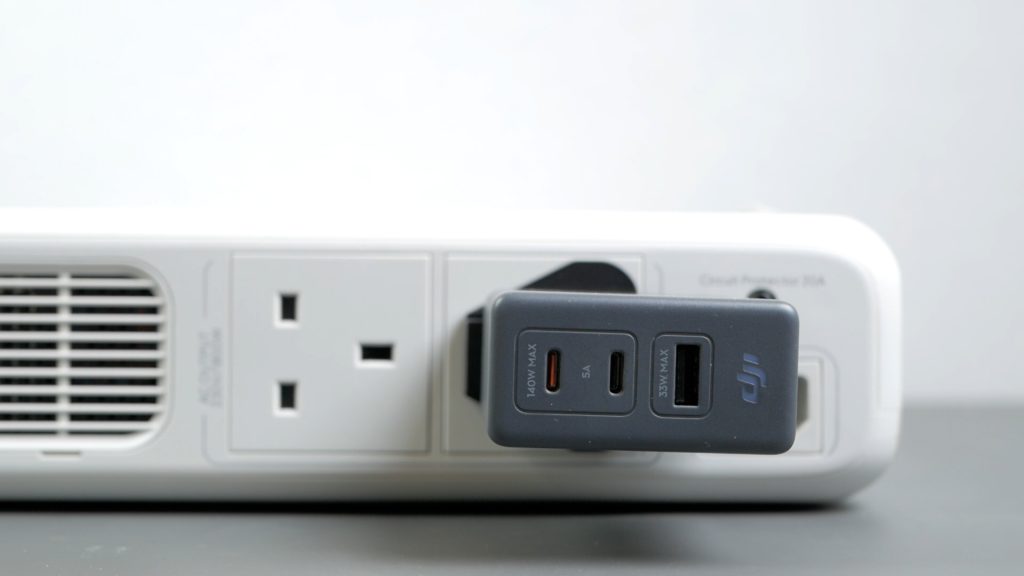
It doesn’t have any USB ports or DC outputs, and that might be limiting for some — particularly the lack of DC outputs. It’s pretty easy to add USB ports using one of the AC outlets, but it’s still a compromise.
Personally, it’s a trade-off I’d accept for the space savings. And if it’s tucked away somewhere, the optional remote screen is very handy — although I do feel it should be included.
The inverter is also on the small side for a 2 kWh power station, but it’s capable enough for most uses. And the smaller inverter does perhaps keep the idle draw low, even if I measured more than Bluetti claims.
Overall, if you’re happy with those shortcomings and the price is right, the FridgePower could be a really interesting option — even if you never intend to use it with your fridge.
Don’t forget to take a look at my YouTube video at the top of the page, and again please subscribe to my YouTube channel where I’m releasing videos every week on the latest technology and how to get the most out of it. If you tap the bell icon when you subscribe you’ll get a notification as soon as I release a video, and there’ll be a link to my site here for the written article. YouTube is also the best place to leave a comment. I read all of them and respond to as many as I can!
Purchase directly from Bluetti for the best prices. This also helps support the channel and accompanying website at no extra cost to yourself!
Bluetti FridgePower:
UK – Bluetti FridgePower
US – Bluetti FridgePower
Amazon links:
Bluetti FridgePower
Bluetti FridgePower + Expansion Battery
As an Amazon affiliate, I get a small commission from purchases made via any Amazon links.
Leave a Reply